
Find a King and Queen Property Owner
A reliable King and Queen County property search follows a chain. It runs from address to parcel, parcel to the assessor's name, and then that name to the newest recorded deed. The Commissioner's e-Commissioner card lets you search by address, Owner Name, or Parcel Number. Copy the GPIN or Tax Parcel ID exactly as it appears, spaces included. That key matches the Treasurer account and map layer without guesswork. Then pull the Circuit Clerk's grantor and grantee deed records. Get the most recent conveyance tied to the same legal description. The result is the owner of record. That is how public sources show it. That is not the same as settling every beneficial interest or proving clear title.
- Search the Commissioner card by situs address, owner name, or parcel number and note the fields that appear.
- Copy the GPIN, legal description, owner name, and mailing address without treating the mailing address as the parcel location.
- Search the latest recorded conveyance by grantor or grantee and compare the image with the same land description.
- If a company or estate appears as grantee, preserve the exact name and ask the Clerk which related public filing or court record can clarify the transfer.
King and Queen Owner Card Search
The Commissioner's property-card application is the address-to-parcel step of any King and Queen County owner lookup. Its public landing page lists Owner Name, Parcel Number, and Address as search modes. It says a result can include summary information, improvements, sketches, and photographs when available. The static page leaves some questions open. It does not state the exact label on the owner field. Nor does it explain refresh timing after a sale or every detail a card returns. Read the live card for your parcel. Record the label it actually uses rather than assuming it reads "owner of record." Open the Commissioner's property-card search. Note the parcel key listed for the record. Open the Commissioner's property-card search and note the parcel key listed for the record.
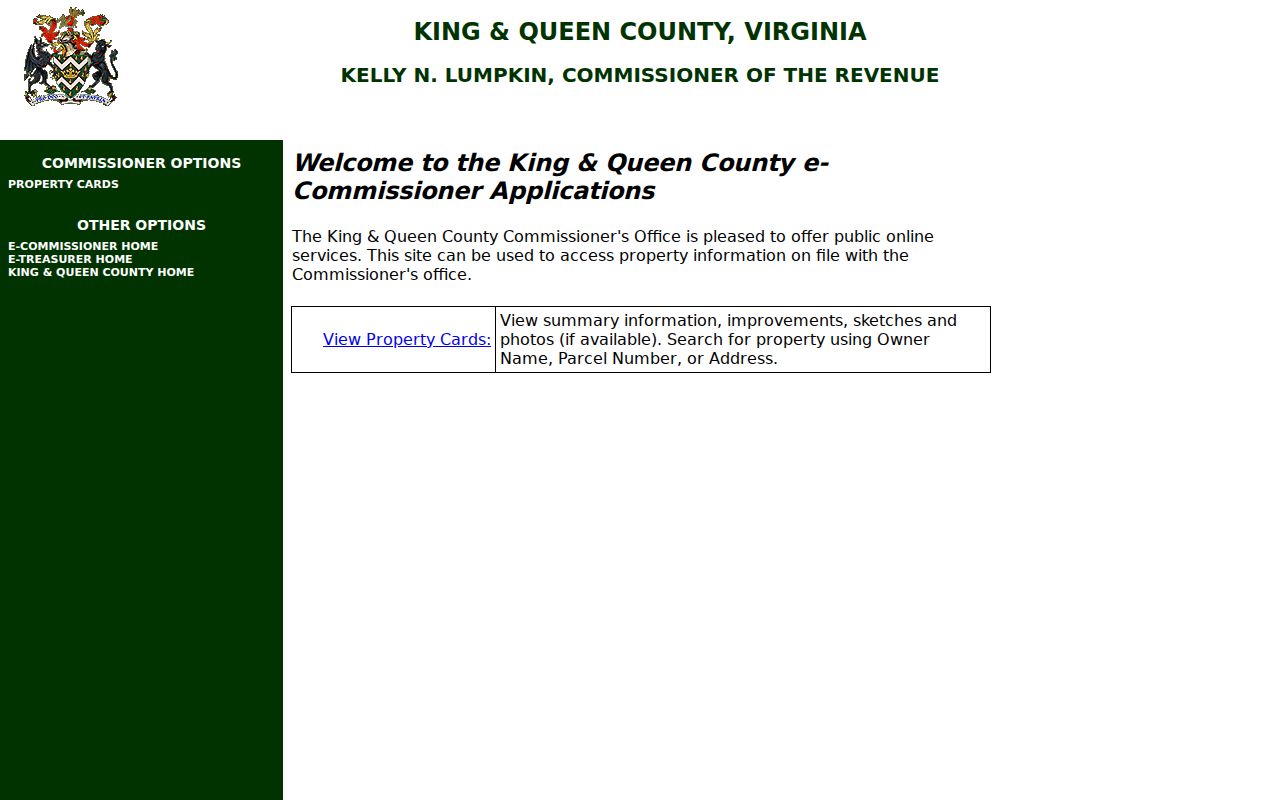
The official Commissioner's page displays the search entry point rather than a filled-in owner result. Check the live card's fields for the parcel you are researching.
King and Queen Owner Deed Check
An assessor card tells you what the tax roll carries. A deed image shows a conveyance the Circuit Clerk actually accepted. Read them as different documents. Pull the newest grantee and grantor names. Then line up the legal description, parcel reference, recording date, and instrument number so the two records describe the same land. Tax rolls can trail a fresh transfer by an unknown stretch. The county publishes no fixed update interval. Treat any lag as a possibility, never a number. When the deed chain snaps without explanation, turn to probate, court orders, and older finding aids. Do not guess at the gap.
History matters here. A county formed in 1691. Fires in 1828, 1833, and 1864 wiped out the earliest county records. The Circuit Clerk holds surviving land records from 1864 forward, open for inspection and copying. The deeper deed-chain method is covered in the King and Queen deed records section.
King and Queen Property Owner Sources
No single source holds every ownership clue. The Commissioner card is the fastest route to the parcel and its assessment, the Circuit Clerk's deed index is the recorded transfer source, and the Treasurer or GIS can confirm the parcel key and map location. State company filings add context when an entity shows up as grantee. Each record answers a different question. Check every one against the legal description.
| Source | Owner Info It Gives | Access |
|---|---|---|
| Commissioner property card | Owner search mode and parcel summary; exact visible owner label must be checked live. | Public e-Commissioner application. |
| Circuit Clerk land records | Grantor, grantee, recorded instrument, and legal description. | Virginia SRA subscription or courthouse counter. |
| Treasurer inquiry | Account or GPIN match and tax-ticket history. | Public real-estate inquiry. |
| Virginia SCC CIS | Entity status, registered agent, principal office, and filing history where disclosed. | State online filing search. |
| County GIS | Visual location of a tax parcel; owner popup fields were not confirmed. | Public county-linked ArcGIS viewer. |
The owner of record is whoever a public record names. That person may not be the occupant. A trustee, beneficiary, manager, or mailing-address recipient can all differ from the titled owner. A parcel card shows where tax notices go. The situs address marks the physical property itself. Treat the mailing address as a matching clue. It is not proof that its recipient lives on or owns the land.
King and Queen Owner Address Fields
Situs is the parcel's physical location, the address used in assessment, mapping, and permit records. The mailing address is different. It can be a post office box, a business, or a trustee's office. It can also be a home in another county. Rural King and Queen parcels may also carry a postal community name. That name says nothing about the government jurisdiction involved. Compare the card's address fields with the deed description. Never assume the person receiving tax mail occupies the property.
The county's static property-card description does not promise every address field for every parcel. Record only what the live card displays. Ask the custodian when a field is missing or access is restricted. A search result should never be stretched into a separate record. The land instrument never names that person.
King and Queen Company Owner Records
A deed in King and Queen County sometimes lists an LLC as the grantee. Another entity can appear instead of a person. That name is your starting point. The Virginia SCC CIS lets you pull the entity's status, registered agent, principal office, and filings where those details appear. Read the deed and the company filing as answers to two different questions. One shows who holds title on the property records. The other describes a legal entity. It may or may not tell you who truly benefits from the land.
Before tying any SCC result to a parcel, match the company name exactly. Similar names, dissolved entities, trustees, estates, and name changes can produce a false match. The recorded instrument is the real ownership link. Treat the SCC filing as context about the entity. It is not proof that a particular individual owns the property.
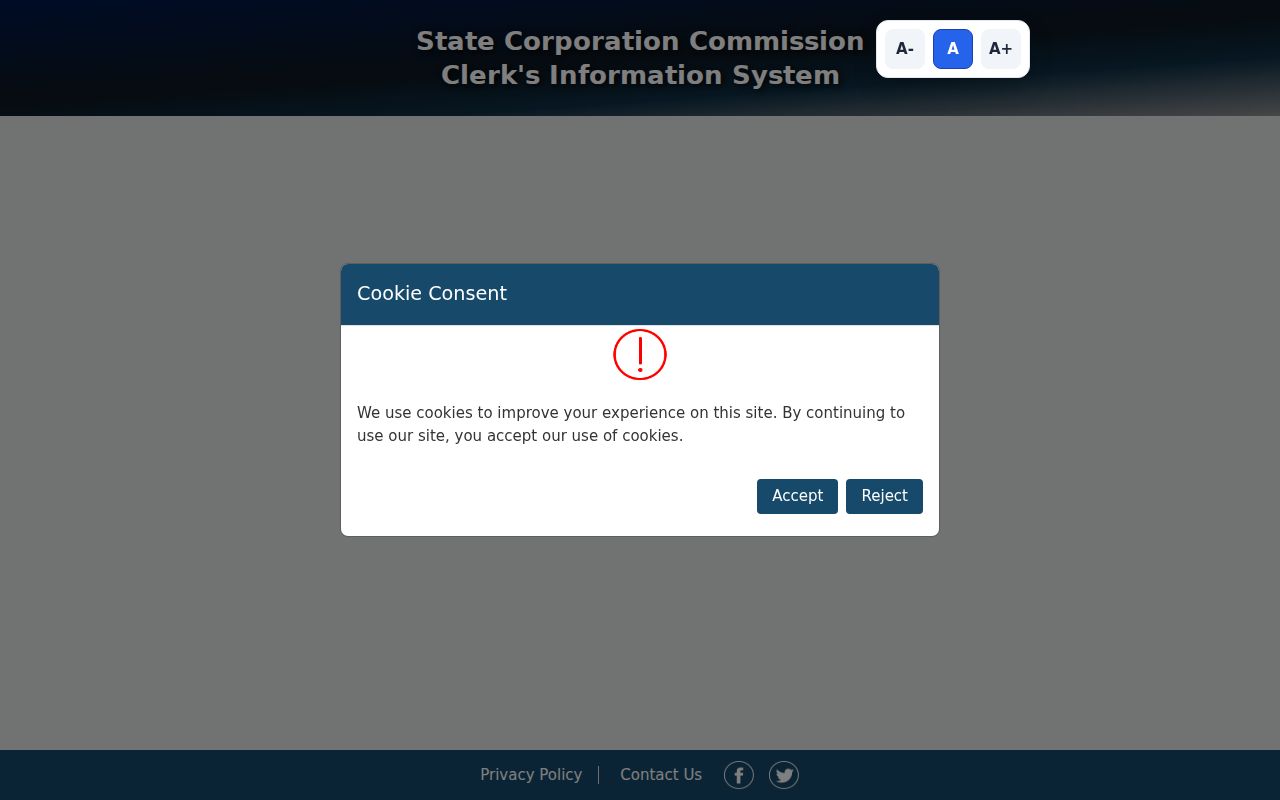
Entity names in a deed can be puzzling. A state filing screen may clarify what stands behind the name, but the county land record remains the source that settles ownership.
King and Queen Estate Owner Transfers
A grantee named as an estate changes the search. So does a transfer described as fiduciary, because a matching name tells you little about who truly holds the land interest. The county index is the better guide. Find the recorded deed, court order, or other instrument the entry cites, and compare its legal description against the parcel. A will can add helpful context. It may explain a family tie or an intended gift, but it does not prove that a particular tract reached the person you found.
Ask the Circuit Clerk. The clerk can say whether a related court or fiduciary record exists and explain how that material can be inspected. Deed records here run from 1864 forward. Everything earlier burned in 1828, 1833, and 1864. Older gaps deserve extra care. If a title sequence rests on a separate court document or an earlier catalog entry, note that source on its own and flag any transfer missing between the court material and the land instrument. The local Circuit Court directory lists the clerk contact for land and probate record questions.
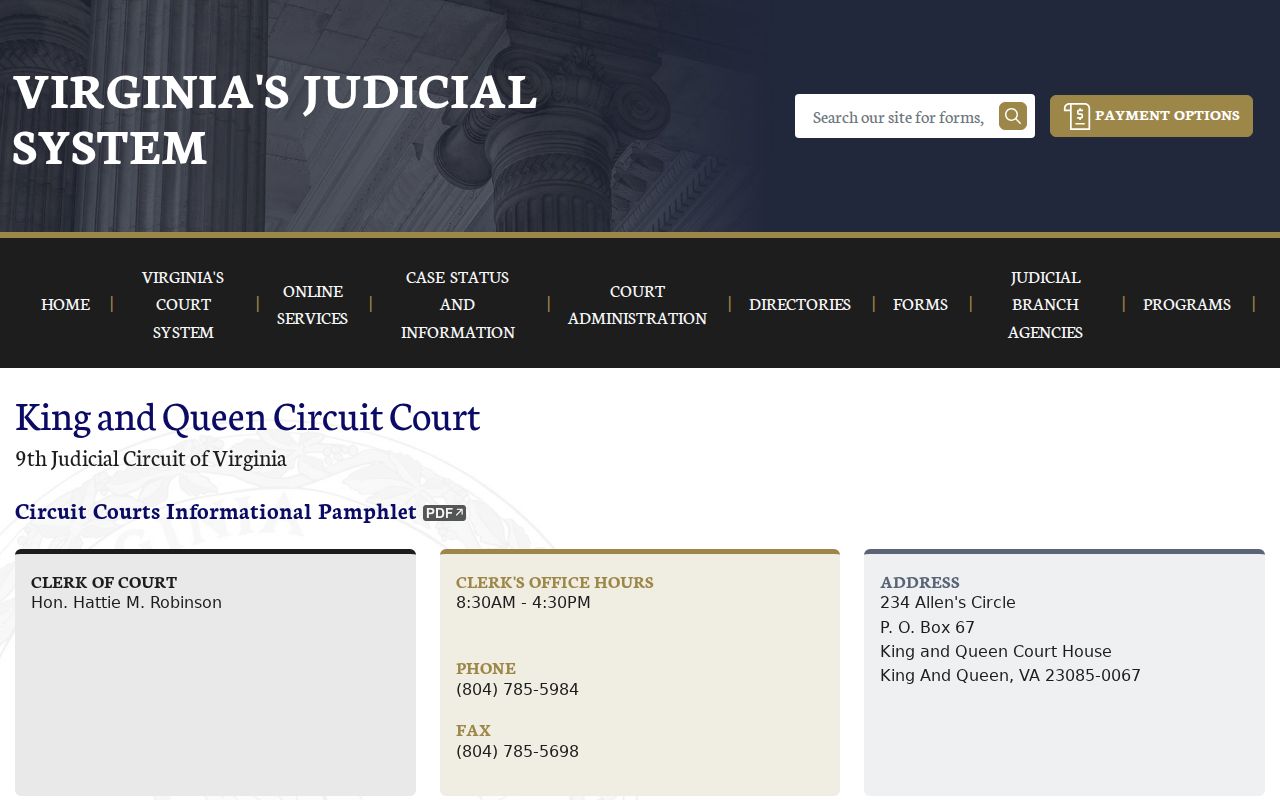
Estate questions eventually lead back to the clerk.
King and Queen Owner Record Access
The King and Queen Circuit Court Clerk keeps the land-record office at 234 Allen’s Circle, P.O. Box 67, King and Queen Court House, VA 23085-0067, with telephone (804) 785-5984. Counter hours run 8:30 a.m. to 4:30 p.m. For remote work, the county links Virginia Secure Remote Access. It is a subscription route to land records. The Clerk’s counter remains an option for inspection and copies. The county pages state no copy, certified-copy, or subscription prices. Ask about fees and the record reference before ordering anything.
OCRA/CIS is a separate circuit-court case-information and imaging system. It can matter when a transfer involves a court proceeding. It is not the county deed index, though. For a property transfer, identify the land instrument and its book, page, or recording reference. For a court filing, ask which docket or imaging route applies. Virginia FOIA requests go to the relevant public-body custodian, and court-record access may follow separate procedures.
When a record is not on hand, keep the request specific. Give the parcel identifier. Give the owner names as spelled in the source. Add an approximate date range and the instrument type you need. A focused request helps the office. It can tell a deed from a tax account, plat, court case, or business filing.
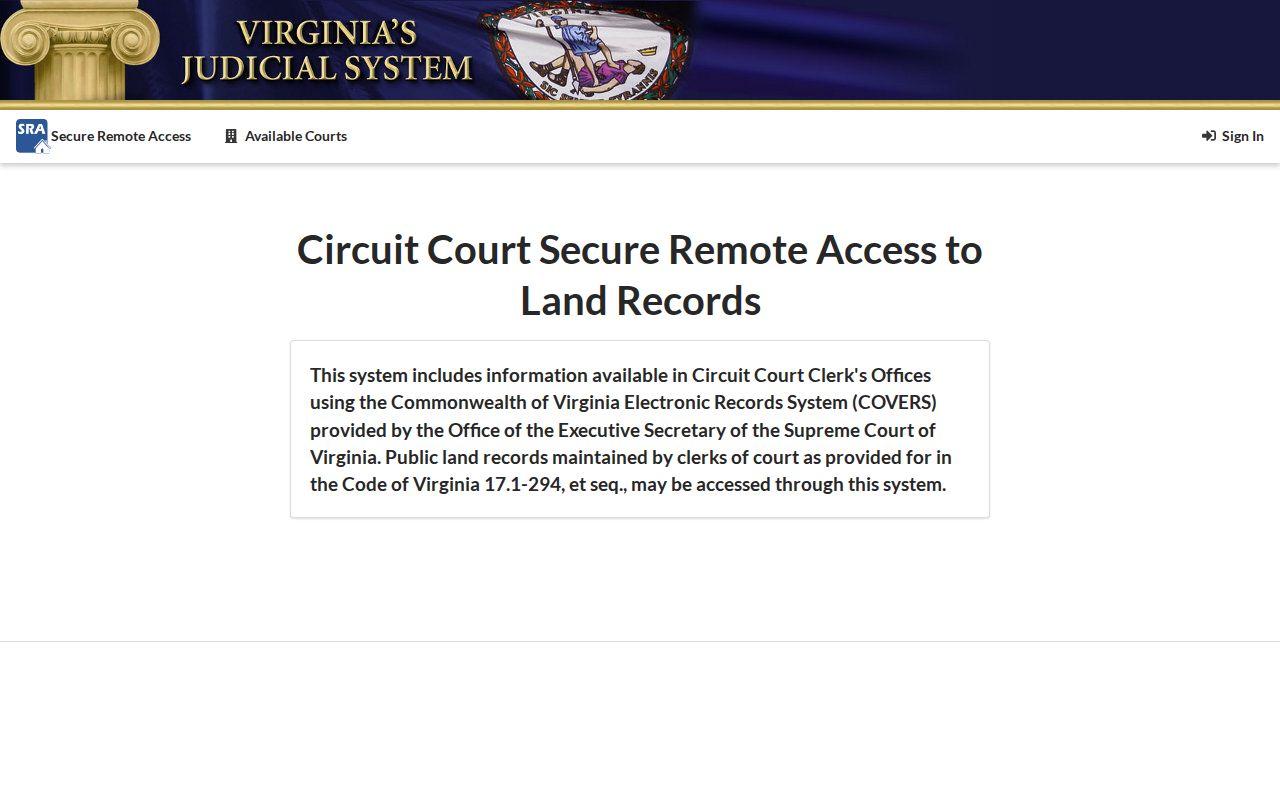
The screenshot shows a remote-access entry point. Confirm subscription terms and current coverage details with the live service.
Limits on King and Queen Owner Search
A public record has edges. It can name a grantee or an assessment contact, yet prove nothing about who occupies the land, who controls an entity, or whether the chain is free of claims. The Commissioner card is not a title opinion. A GIS map is not a survey. The county's static service description leaves gaps, so it does not list every record field or access exception. Take specific questions to the custodian. Do not use scattered records to assemble a private dossier or to contact someone on an unwanted basis.
Lawful use. Use a King and Queen County owner lookup for property history, purchase diligence, tax questions, or civic research. Do not use owner names or mailing addresses to stalk, threaten, or harass anyone.